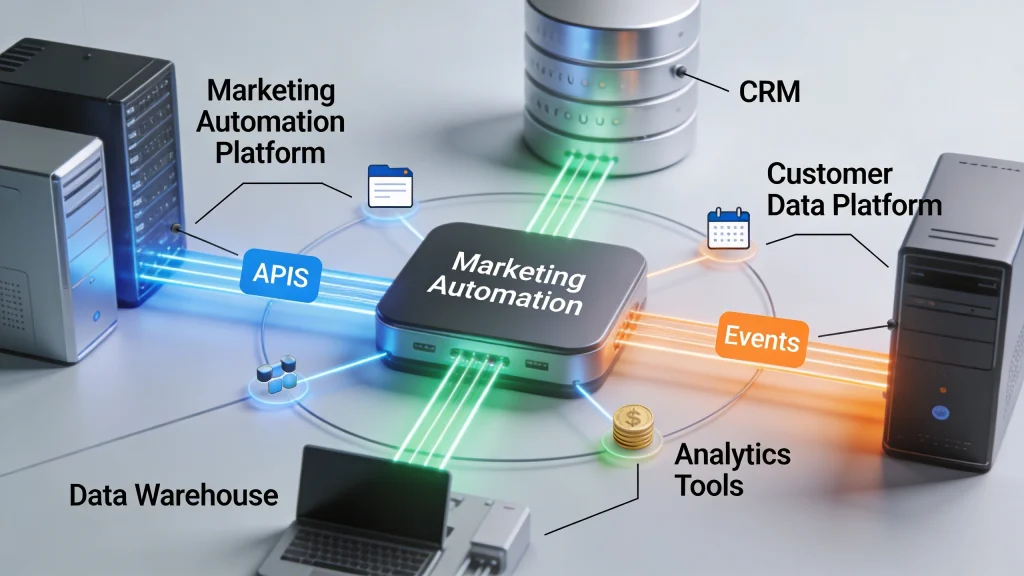

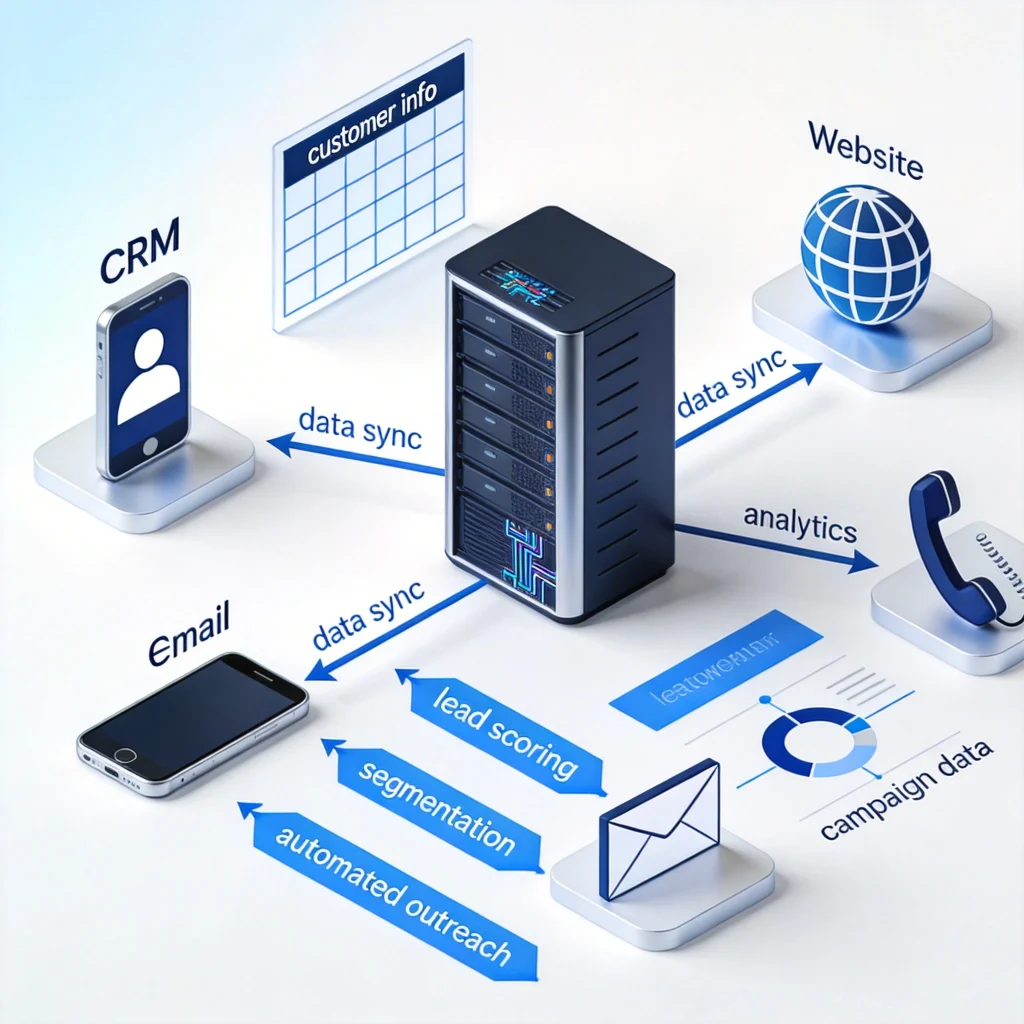
At the enterprise level, marketing automation services function as a central brain that connects channels, data sources, and teams. Instead of isolated tools, organizations gain a unified platform that standardizes data models and orchestrates campaigns, making it possible to manage complex customer journeys at scale while maintaining governance and brand consistency globally.
Marketing automation services combine technology platforms with expert services that design, build, and operate complex customer journeys. For enterprises, this usually involves multi-region deployments, integrations with CRM and ERP, and alignment with sales operations. Providers typically support platforms such as Salesforce Marketing Cloud, Adobe Marketo Engage, HubSpot Enterprise, or Oracle Eloqua, tailoring configurations to each organization’s data model and compliance posture.
Service Models and Engagement Types
Enterprises usually choose between managed services, consulting projects, or hybrid models. Managed services teams operate campaigns end to end, handling segmentation, build, QA, and deployment for hundreds of journeys annually. Consulting-led engagements focus on architecture, playbooks, and enablement, then hand operations back to internal teams. Hybrid models keep strategy and governance external while gradually insourcing execution.
Position in the Enterprise Tech Stack
Within the tech stack, marketing automation platforms sit between CRM systems and data platforms such as warehouses or customer data platforms. They consume cleansed, unified profiles, then trigger communications across email, SMS, in-app, or advertising. Tight integration with data analytics services enables advanced attribution models, while connections to Azure AI services support predictive scoring, churn models, and next-best-action recommendations embedded directly into campaigns.