
Industries
Technology has to work in the environment around it.
Systems, workflows, users and operational constraints differ across industries. ZA focuses on complex environments where technology decisions have to account for integration, reliability, delivery risk and the realities of day-to-day operation.

The operating environment
The same technology problem can behave very differently in the real world.
A platform may work well on its own and still struggle when it meets existing systems, operational workflows, field conditions, users, vendors or complex delivery dependencies.
Understanding that environment changes the questions that need to be asked before technology is selected, implemented or scaled.
Systems
What technology already exists and what must connect?
Workflows
How does work actually move through the organization or operation?
Users
Who depends on the technology and under what conditions?
Data
Where does information originate, move and need to be trusted?
Dependencies
What other teams, vendors, platforms or physical operations are affected?
Risk
What happens when the technology does not behave as expected?
Strategic focus
Three environments where technology and operations are closely connected.
ZA is building focused capabilities around environments where reliability, integration, delivery discipline and operational readiness materially influence technology outcomes.

Mining & Industrial
Technology connected to physical operations.
Mining and industrial environments bring together operational processes, enterprise systems, field technologies, data, assets and people. ERP, EAM and maintenance systems increasingly need to exchange data with fleet, production and control environments such as SCADA and historians, so technology change has to account for how IT and OT depend on one another.
Digital transformation and modernization
IT/OT and operational data integration
Maintenance and work management workflows
Quality and validation
AI and automation opportunities
Technology delivery and operational readiness
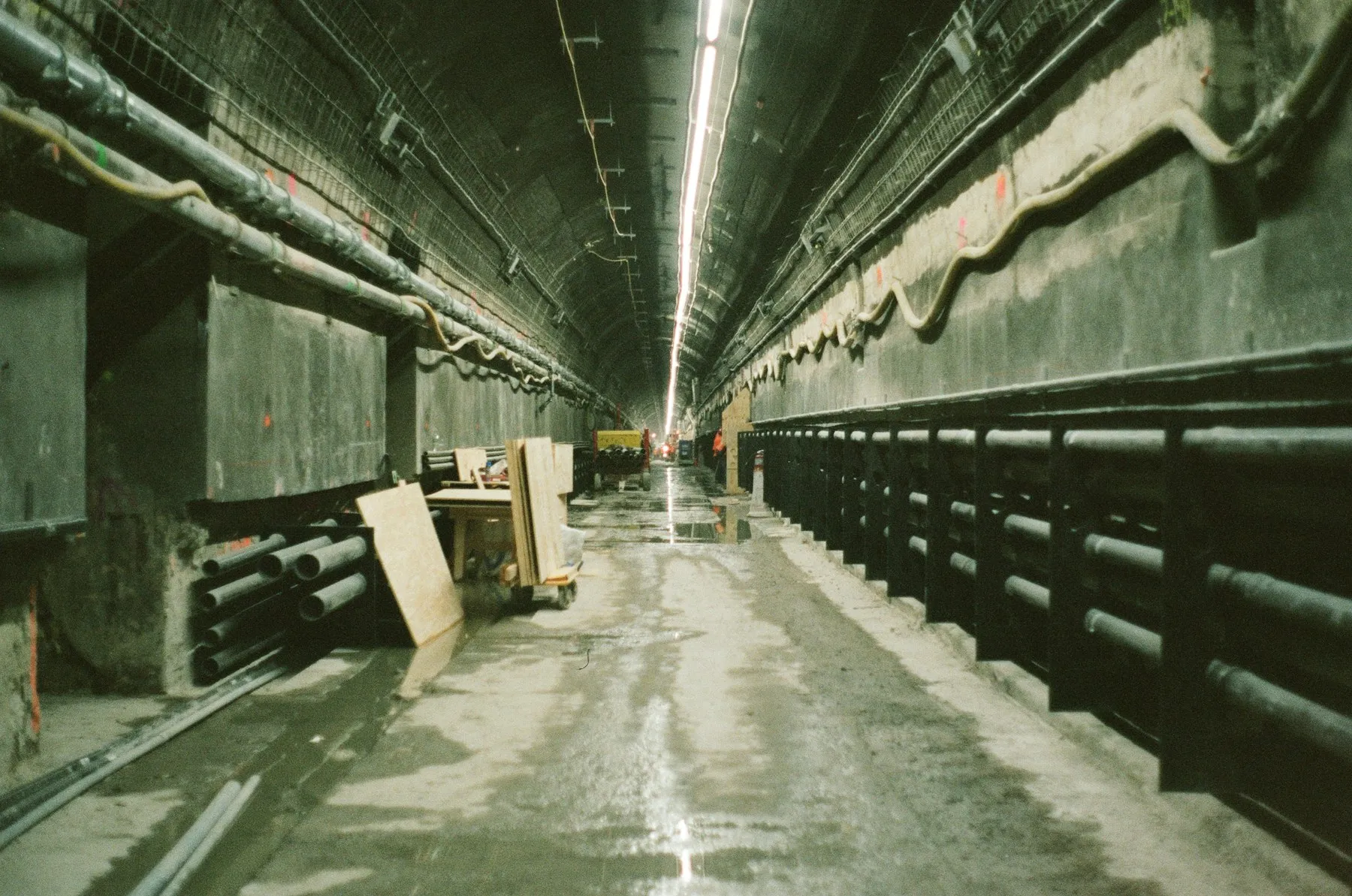
Construction & Infrastructure
Technology across projects, teams and the field.
Construction and infrastructure environments depend on information moving between owners, contractors, project teams, field operations and technology platforms. When project controls, PMIS, document control, RFIs, submittals and change orders sit apart from ERP, accounting and estimating, fragmentation can quickly become a delivery problem.
Project technology and PMIS modernization
Platform and field workflow improvement
Systems integration across project and finance platforms
Project information, controls and reporting
Quality and user readiness
Technology delivery and governance

Enterprise Technology
Technology across complex enterprise environments.
Enterprise technology initiatives often cross applications, integrations, business processes, vendors and organizational boundaries. ERP, HCM, CRM and finance platforms, SaaS applications, APIs and middleware have to keep working together through upgrades and releases. The challenge is keeping those moving parts aligned from decision through operation.
Enterprise application modernization
Digital transformation
Quality engineering and application assurance
Systems integration, APIs and data
AI and workflow automation
Technology delivery and multi-vendor governance
Across the environments
Different industries. Familiar technology challenges.
The operating context changes, but many technology problems begin in similar places.
Disconnected systems make operational data difficult to move and trust.
Manual workflows and spreadsheets remain between platforms that were meant to replace them.
Technology decisions are made without enough understanding of operational dependencies.
Integrations become critical but are not validated across complete business workflows.
Users inherit technology that does not fully reflect how the work is performed.
Delivery teams reach go live before UAT, data and operational readiness are clear.
ZA evaluates technology beyond whether it can be implemented.
The questions also include whether systems will integrate correctly, whether workflows can operate as intended, whether users are ready, where delivery risk remains and whether the technology can move reliably into operation.
That quality-led perspective connects strategy, implementation and the environment in which the technology ultimately has to perform.
Capabilities
The environment changes. The disciplines remain connected.
ZA brings together four capabilities to address technology problems across strategy, quality, automation and delivery.
Digital Transformation
Connect transformation priorities to executable operational change.
Quality Engineering
Identify delivery risk before it becomes operational risk.
AI & Automation
Apply automation where it solves defined operational problems.
Technology Delivery
Bring structure and coordination to complex technology initiatives.
Where to start
Start with the environment you need to improve.
If technology is not producing the operational outcome expected, a Technology Audit can help identify where the constraint sits across systems, processes, integration, quality, adoption and delivery.